 Anguilla
  Antigua and Barbuda
  Grenada
  Bahamas
  Barbados
  Belize
  Dominica
  Guyana
  Haiti
Haiti  Jamaica
  Montserrat
  St. Kitts and Nevis
  St. Lucia
  St. Vincent and the Grenadines
  Suriname
  Trinidad and Tobago
  Turks and Caicos

Caribbean Fisheries Ministers set new policy directions at 19th CRFM Council Meeting

Belize City, Belize, 8 July 2025 (CRFM)—Fish trade, fisheries-related crimes, and a new environmental and social safeguard policy were among key matters on the agenda of the Ministerial Council of the Caribbean Regional Fisheries Mechanism (CRFM), which convened its 19th Regular Meeting virtually on Friday, 4 July 2025.
The Council—which is comprised of Ministers responsible for fisheries, aquaculture, and the blue economy from 17 CRFM Member States—elected Honourable Kyle Hodge, Anguilla’s Minister of Economic Development, Industry, Commerce, Lands, Planning, Water, and Natural Resources, as the new Chair.
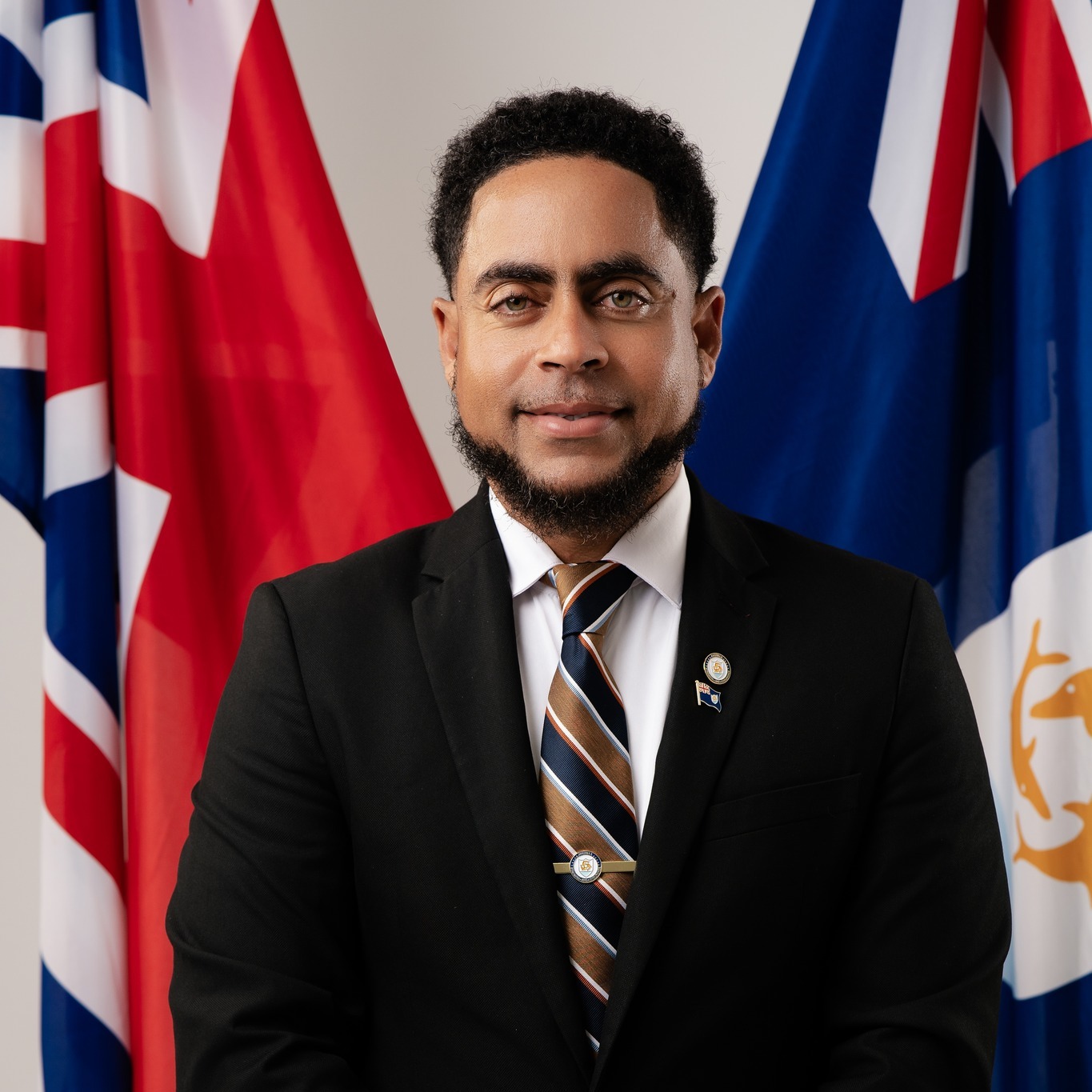
The newly elected chair of the CRFM Ministerial Council - Honourable Kyle Hodge of Anguilla
(Photo: Government of Anguilla)
Hon. Hodge said: "we will forge resolutely ahead with... actions aimed at ensuring safe, healthy and fair working and living conditions for over half-million fishers, fish workers, and others employed across our fisheries and aquaculture value chains."
“It is a distinct honor for Anguilla to take up this mantle of Chair from The Turks and Caicos Islands. We have very important work to do over the next year, as we continue to chart the way forward for this regional authority for fisheries and aquaculture across the Caribbean Community,” Minister Hodge said.
“As Ministers responsible for fisheries, we will forge resolutely ahead with promoting the efficient management, conservation and development of the region's living marine resources; developing and maintaining relations with national, sub-regional, regional, and international partners that share our vision and mission for sustainable Caribbean fisheries; as well as supporting actions aimed at ensuring safe, healthy and fair working and living conditions for over half-million fishers, fish workers, and others employed across our fisheries and aquaculture value chains,” he added.
The fisheries sector lies at the heart of a vibrant Caribbean blue economy, which operates within a dynamic international legislative and policy landscape that impacts fish trade in the Caribbean—and by extension both national and regional economies. The Council deliberated upon the implications of the listing of the queen conch under the United States Endangered Species Act (ESA). It also deliberated upon strategies for securing Caribbean trade amid measures arising under the US Marine Mammal Protection Act, the US Import Provisions & High Seas Driftnet Fishing Moratorium Protection Act, the US NOAA Fisheries Seafood Import Monitoring Program, and the International Maritime Organization (IMO) Strategy on Reduction of Greenhouse Gas (GHG) Emissions from Ships.
The CRFM has played an active role in regional and international initiatives to combat illegal, unreported, and unregulated (IUU) fishing and other fisheries-related crimes. The Council received updates on the efforts made by the CRFM Secretariat and Member States to address fisheries-related crimes, including efforts through the global Blue Justice Initiative and the Blue Justice Caribbean Hub, based in Jamaica. They also received updates on interventions led by the United Nations Food and Agriculture Organization (FAO), as well as a new partnership with the Caribbean Community Implementing Agency for Crime and Security (CARICOM IMPACS) and Auxilium Worldwide.
The Ministers approved the CRFM’s new Environmental and Social Safeguard Policy, which will serve as a guiding framework to manage environmental and social risks and ensure compliance with relevant national, regional, and international safeguard principles and standards.
They also approved the CRFM Strategy for Mainstreaming Biodiversity into Regional Fisheries Management. This document signals the commitment of CRFM Member States to ensure that marine biodiversity and environmental protection are integrated into fisheries management.
The CRFM expresses its sincerest gratitude to Hon. Josephine Olivia Connolly, former Minister of Tourism, Environment, Fisheries and Marine Affairs, Culture and Heritage, Agriculture and Religious Affairs, of The Turks and Caicos Islands, for her stellar service as Chair of the Council for the 2024 Programme Year. We also welcome her successor, Hon. Zhavargo Jolly, who became the new Minister of Tourism, Agriculture, Fisheries & Environment in the Turks and Caicos Islands in February 2025.
The Council is scheduled to hold an in-person meeting in October 2025 at Caribbean Week of Agriculture, to be convened by the Caribbean Community (CARICOM) Secretariat in Saint Kitts and Nevis.
– END –
CRFM Secretariat recruits two Caribbean experts for Canada-funded STAR-Fish Project


Belize City, Thursday, 19 June 2025 (CRFM)—The Caribbean Regional Fisheries Mechanism (CRFM) is moving full speed ahead with the implementation of the Canada-funded STAR-Fish Project: “Sustainable Technologies for Adaptation and Resilience in Fisheries.” This CAD 4 million initiative is designed to increase clean energy transition in Caribbean fisheries and aquaculture while building resilience, by addressing the need to improve competitiveness and unleash key economic drivers.
This month, the CRFM Secretariat welcomed two highly experienced project staff: Mr. Sherrón Barker – Regional Project Coordinator, and Mrs. Daintyann Barrett-Smith – Environmental and Social Safeguards Specialist.
"The STAR-Fish Project represents an important opportunity to drive innovation and sustainability in Caribbean fisheries. I am honoured to support our partners in delivering real progress on climate resilience, gender equity, and clean energy transition in this critical sector for our region’s economies and communities," Mr. Barker said.
He joined the CRFM Secretariat in Belize City in February 2025, as the Environmental and Social Safeguards Officer under another regional initiative – the GEF/FAO/CRFM BE-CLME+ Project titled, “Promoting National Blue Economy Priorities Through Marine Spatial Planning in the Caribbean Large Marine Ecosystem Plus.” He previously worked as Project Manager for the Sustainable Seabed Knowledge Initiative, at the International Seabed Authority in Jamaica from 2023 to 2024.
In his new role as the Regional Project Coordinator for the STAR-Fish Project, Mr. Barker will oversee and coordinate the implementation of STAR-Fish. He also holds responsibility for planning, implementing, and ensuring the delivery of timely and quality project outputs.
Complementing his work, Mrs. Barrett-Smith will assess environmental and social risks, recommend solutions, ensure compliance with the relevant environmental and social safeguard policies and standards, as well as provide technical support for the implementation of the project and its activities. She will also lead the development of an environmental and social screening checklist for the project. She is furthermore tasked with identifying mitigation and corrective measures which may be required by the project. Of note is that Mrs. Barnett-Smith has also been retained to fill the role vacated by Mr. Barker as the Environmental and Social Safeguards Officer for the BE-CLME+ Project.
In 2024, Global Affairs Canada (GAC) approved the implementation of STAR-Fish—a four-year project which was developed by the CRFM to address climate resilience in the Caribbean. The Government of Canada, through Global Affairs Canada, has donated CAD 4 million to the project, while the CRFM has committed CAD 324,000 in counterpart funding. Although this project is being implemented in countries eligible for Official Development Assistance (ODA)—namely Belize, Dominica, Grenada, Guyana, Jamaica, Saint Lucia, Saint Vincent and the Grenadines, and Suriname—the CRFM Secretariat is committed to ensuring that other Member States across the region garner as many spin-off benefits as possible.
The fisheries sector consumes energy across its value chain, particularly for fish processing—cooling, cleaning, drying, and freezing. The STAR-Fish Project seeks to demonstrate that energy costs can be substantially reduced by transitioning to renewable energy technologies. The project intends to ultimately increase clean energy transition in Caribbean fisheries and aquaculture by applying a gender-responsive approach to its interventions, as it supports the certification of low carbon or carbon neutral fisheries in the region and facilitates technical collaboration and knowledge exchange.
The STAR-Fish Project is pivotal for the advancement of the CRFM’s 2022-2030 Strategic Plan. It particularly supports the attainment of Strategic Goal 4, which envisions “Increased use of renewable energy and energy efficient harvesting, processing, and cold storage systems, and reduction of the region’s reliance on fossil fuels in fisheries and aquaculture.”
– END –
About Global Affairs Canada:
Global Affairs Canada (GAC)—under the leadership of the Minister of Foreign Affairs; the Minister of International Trade; the Minister of Canada-U.S. Trade, Intergovernmental Affairs; and the Secretary of State of International Development—is responsible for advancing Canada’s international relations, including, inter alia: developing and implementing foreign policy; fostering the development of international law, international trade and commerce; and providing international assistance (encompassing humanitarian, development, and peace and security).
Two-day regional COASTFISH Seminar successfully concludes in Dominica

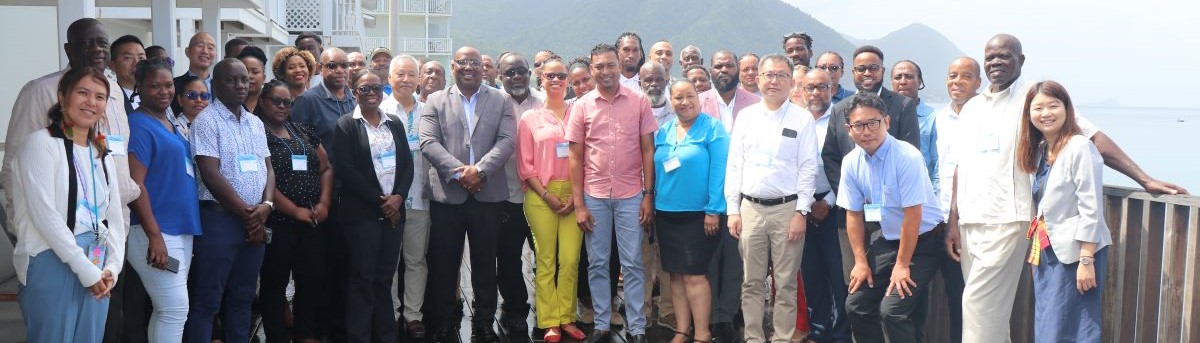
4 June 2025, Dominica--The Regional Seminar for the Project for Strengthening Sustainable Use and Management of Coastal Fisheries Resources in the CARICOM Countries (COASTFISH) has just concluded in Dominica after two days of spirited engagements.
Hon. Jullan Defoe, Minister of Agriculture, Fisheries, Blue and Green, Economy, Dominica, welcomed the attendees during the opening ceremony held yesterday.
The purpose of the regional seminar was to disseminate the outputs, achievements, good practices and lesson learned across several project activities which focused on strategies and actions to achieve co-management as a tool for resource management and for fostering better livelihoods. The ultimate goal is to further expand the co-management approach established during the project to the wider Caribbean, in line with the overall project goal.
The COASTFISH Regional Seminar brought together fishers and fisheries officials from the project's six participating countries: Antigua and Barbuda, Dominica, Grenada, Saint Kitts and Nevis, Saint Lucia, and Saint Vincent and the Grenadines. Two experts from the Caribbean Regional Fisheries Mechanism (CRFM) Secretariat, Dr. Sandra Grant - Deputy Executive Director and Dr. Maren Headley - Programme Manager, Fisheries Management and Development, provided integral technical support and delivered presentations during the course of the two-day event. Dr. Joeli Veitayaki, University of South Pacific, delivered a lecture on "The role of co-management in Fisheries Association in South Pacific Country," while Dr. Mitsutaku Makino, University of Tokyo, delivered a lecture on "Tool Box in Blue Economy in the Fisheries."
The Japan International Cooperation Agency (JICA)-funded COASTFISH Project, implemented through IC Net Ltd. of Japan in collaboration with the CRFM has successfully supported a diverse range of pilot initiatives across the region aimed at enhancing the sustainability and resilience of coastal fisheries.
Here are some highlights:
- Among the pilot activities were the construction, deployment, and monitoring of artificial reefs designed to boost the recruitment of juvenile species such as the spiny lobster in nearshore marine environments. An important link to the tourism sector was also showcased through the use of artificial reefs as a dive attraction, and highlighted intersectoral linkages within the blue economy.
- Countries also piloted the construction of fish pots with biodegradable panels to reduce ghost fishing, the use of zinc anodes to combat fish trap corrosion, and the application of pop-up tags to deter theft of fish pots.
- The project further supported activities in sea moss farming and processing, including the development of value-added sea moss products.
- Fish preservation techniques, such as fish salting and product marketing were also promoted. In addition, a lionfish derby and culinary initiatives featuring lionfish recipes aimed to raise awareness and promote the consumption of this invasive species were undertaken.
- To support data-driven management of marine resources, a juvenile queen conch abundance survey was conducted to assess current population levels and inform fishery management strategies.
- Capacity-building was a key component of the project, with training provided in fish processing, product development, facility management and also dive certification for fishers.
- Coral gardening activities were also implemented, contributing to habitat restoration amid growing threats such as coral bleaching and disease.
- In keeping with its commitment to inclusivity, the COASTFISH Project piloted gender mainstreaming initiatives to increase the participation and leadership of women in the fisheries sector.
The success of these pilot initiatives highlights the value of regional collaboration and innovation in strengthening coastal communities and ensuring the long-term sustainability of marine resources in the Caribbean, using a co-management approach and highlighting the roles of fishers.
Closing remarks were made by Mr. Hisashi Suzuki, Deputy Director General of JICA, Dominican Republic who noted the successful outcomes of the project. Mr. Andrew Magloire, the project consultant, praised the excellent collaboration of all the partners.
On behalf of its Member States, the CRFM Secretariat thanks the Government and people of Japan for the support provided to the region through the Japan International Cooperation Agency (JICA).
Fisheries Ministers charge CRFM to accelerate blue economic and aquaculture transformation across the Caribbean

Belize City, Tuesday, 29 October 2024 (CRFM)—Caribbean ministers responsible for Fisheries, Aquaculture, and the Blue Economy held fruitful deliberations during the 18th Caribbean Week of Agriculture (CWA), convened by the CARICOM Secretariat in partnership with the host country—Saint Vincent and the Grenadines—from 7 – 11 October 2024. The 14th Special Meeting of the Ministerial Council of the Caribbean Regional Fisheries Mechanism (CRFM) concluded with a firm commitment to improve climates-smart blue economic growth from the marine living resources and tackling the state of fisheries and aquaculture in the Caribbean through expanded production across the 17 CRFM Member States, to improve food security and jobs. At the conclusion of the week’s events, representatives of the CARICOM Member States convened the 115th Meeting of the CARICOM Council for Trade and Economic Development (COTED), which endorsed significant decisions to strategically accelerate blue economic growth, including aquaculture transformation in our region.
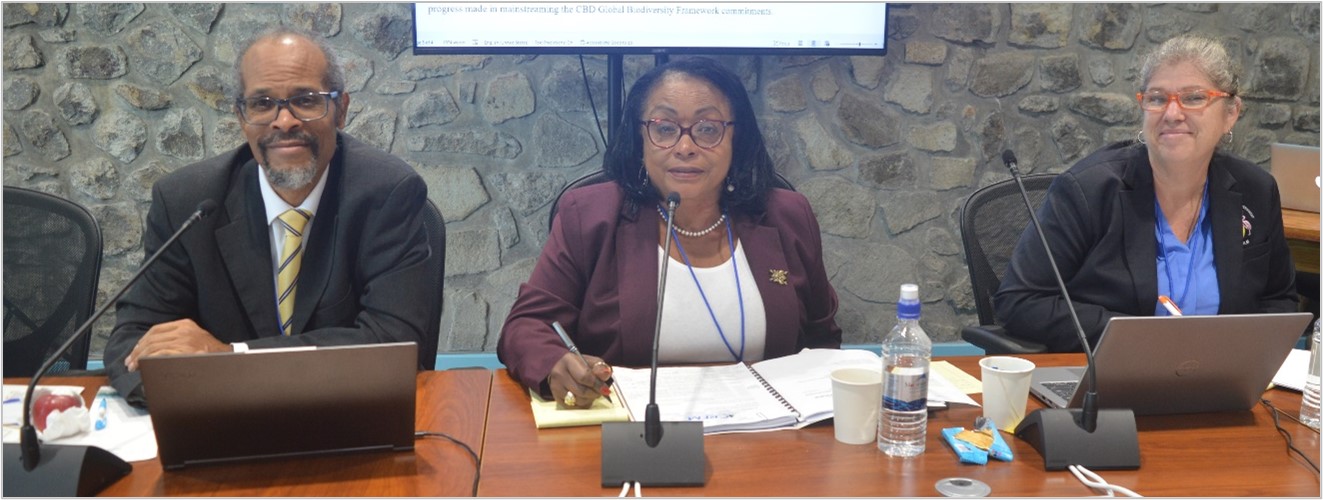 Mr. Milton Haughton, Executive Director, Caribbean Regional Fisheries Mechanism (CRFM) Secretariat; Honourable Josephine Olivia Connolly, Minister of Tourism, Environment, Fisheries and Marine Affairs, Culture and Heritage, Agriculture and Religious Affairs, The Turks and Caicos Islands – Chair of the CRFM Ministerial Council; and Mrs. Kathy Lockhart, Acting Director of Fisheries, The Turks and Caicos Islands – Chair of the Caribbean Fisheries Forum of the CRFM (Photo: CRFM Secretariat)
“These meetings of regional policy-makers were a crucial opportunity to address some of the most pressing challenges in the blue economy and fisheries sector. The decisions we made will help to protect marine ecosystems while supporting food security and the livelihoods of those who depend on our coastal and marine resources,” said Honourable Josephine Olivia Connolly, Minister of Tourism, Environment, Fisheries and Marine Affairs, Culture and Heritage, Agriculture and Religious Affairs, The Turks and Caicos Islands – Chair of the CRFM Ministerial Council, in an official statement following the CRFM meeting.
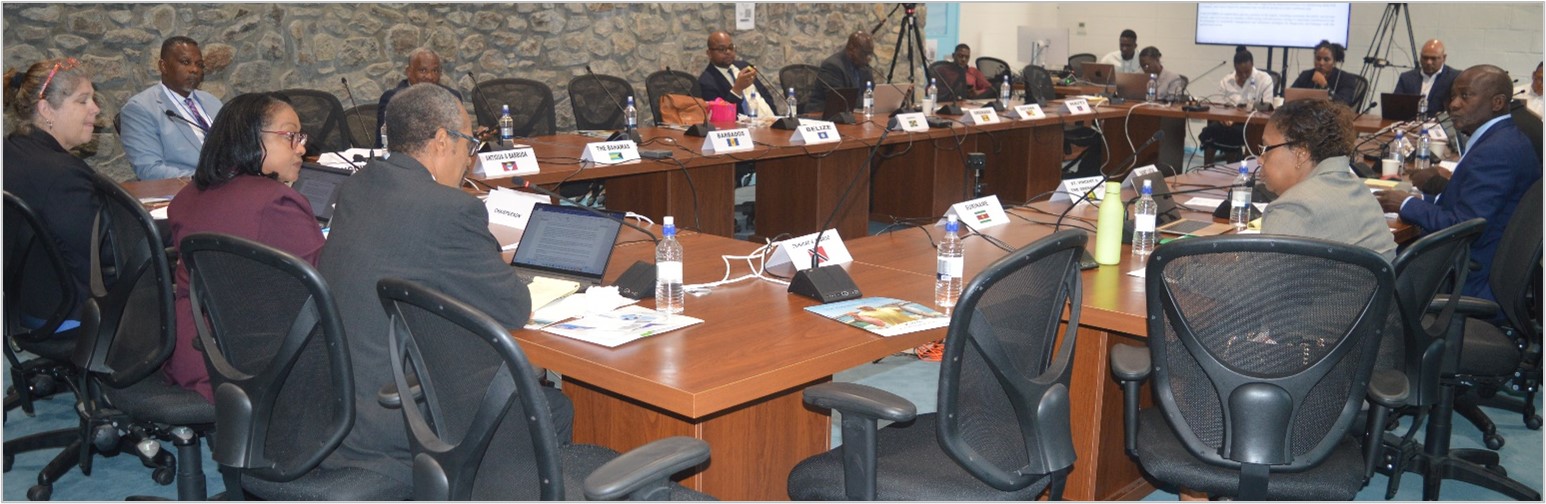 The CRFM Ministerial Council sets the policy direction of the Caribbean Regional Fisheries Mechanism, and it is the highest decision-making body of the organization. The Council is comprised of ministers from the 17 Member States of the CRFM. (Photo: CRFM Secretariat)
During its 14th Special Meeting, the CRFM Ministerial Council deliberated upon priority policies and actions needed to advance the work of the CRFM and its Member States, building upon the decisions made during the 18th Regular Meeting of the CRFM Ministerial Council held in April this year.
“Our previous meeting in April 2024 saw significant progress with the adoption of the resolutions that have helped guide our work... We have the opportunity to further advance these initiatives and solidify our commitment to ensuring the sustainability of our marine resources,” Minister Connolly told her fellow ministers at the start of their deliberations.
The Ministers held extensive discussions following a presentation by the CRFM Secretariat on the status and trends of the fisheries and aquaculture sector in the CARICOM region, which indicated that for the most recent reporting period (2021/2022), domestic production (which excludes high seas fisheries production) stood at approximately 158,000 metric tonnes, valued at US $575 million. Aquaculture accounts for 6% of this production (8,777 tonnes), while marine capture fisheries in areas under the national jurisdiction of Member States accounts for the remainder.
Honourable Saboto S. Caesar, Minister of Agriculture, Forestry, Fisheries, Rural Transformation, Industry and Labour, Saint Vincent and the Grenadines, highlighted the need for priority attention to be given to boosting production and productivity across the region, particularly from the under-utilized and unutilized resources beyond the coastal waters.
“What percentage of our marine economy is left unharvested that should be harvested, and how [are] we going to set about having an increase in production and productivity to lift our numbers?” he questioned, noting the need for the successes of Member States [such as Grenada in developing their tuna fisheries and Saint Lucia in boosting sea moss aquaculture], to be quickly replicated across the region.
“Grenada is a shining example of what can happen in longline fishing for tuna from a micro-state. Grenada is in the OECS [Organisation of Eastern Caribbean States]; Grenada is in CARICOM; Grenada is covered by the CRFM—so is Saint Vincent and the Grenadines and Dominica, and the others around the table! Jamaica, for example, did excellent work in aquaculture. Saint Lucia has done excellent work with sea moss production, and Saint Vincent and the Grenadines, we are trying to model what we're doing from Saint Lucia...” Minister Caesar added.
Mr. Milton Haughton, Executive Director, Caribbean Regional Fisheries Mechanism (CRFM) Secretariat, noted that growth in aquaculture and the blue economy requires targeted and strategic policy actions and investments. These actions include (i) strengthening capacities at the CRFM Secretariat, the National Fisheries Administrations and private sector of Member States to provide the leadership and expertise needed to steer blue economic growth, including aquaculture development; (ii) mobilizing resources from multilateral and bilateral donors as well as private sector partners to provide the finances and investments needed to modernize the sector and realize blue economic growth; (iii) enhancing regional and national policy and legal and institutional frameworks to incentivize and support the envisioned transformation; and (iv) address biosecurity controls and other technical and marketing challenges to minimize the risk of losses and to build a profitable, resilient and sustainable sector. These necessary actions have been incorporated by the Ministers into the resolutions passed at the conclusion of their deliberations.
Haughton noted that the Caribbean lags far behind in aquaculture production, although globally aquaculture produces most of the seafood (including fish) that people eat. He added that aquaculture production today is mostly done in the marine environment—called mariculture, which is the ideal approach for Caribbean countries, most of which have limited land spaces and freshwater availability but large ocean spaces.
The Ministers requested that the CRFM prioritizes the development of aquaculture regionally and that it prepares a modernization strategy with technical support from a cadre of aquaculture experts from across the region, including persons comprising the CRFM Working Group on Aquaculture.
Another major development discussed during the 14th Special Meeting of the Ministerial Council is the innovative work being done by the CRFM and the New Zealand Institute for Plant and Food Research Ltd, under the New Zealand-funded Sargassum Products for Climate Resilience in the Caribbean Project, to utilize Sargassum, which is a valuable marine resource, to develop a viable and safe biostimulant to enhance plant growth. This initiative to valorize Sargassum was the showpiece of one of the CRFM’s technical events at CWA 2024, held under the theme: Climate Smart Agriculture for a Sustainable Future.
“We have worked with our partners in the region to design a process that gets rid of [virtually all] of the heavy metals, and we have been able to produce this biostimulant that tested and performed very well in the greenhouse and initial field trials with farmers. The field trials are wrapping up, but the initial findings indicate that it has contributed very well to plant growth,” Haughton said.
“This is a win-win situation. We are still at the early stages. We have the product now, and we will be doing further development work in Jamaica with a private sector partner, where we will set up a pilot production plant. We hope that the pilot commercial type operation will demonstrate a viable and efficient production process that will produce a good organic-based fertilizer from… Sargassum that has been a problem and a challenge for us. Fertilizer is a required input by farmers, and it is very expensive. If we can produce an effective fertilizer/bio-stimulant from Sargassum that can help reduce the high import bill of fertilizer, that would be good for our farmers and help to achieve our goal of reducing the region’s large food import bill,” he added.
The Ministers also provided guidance for the development of a CARICOM Regional Strategy for Mainstreaming Global Biodiversity Considerations in Fisheries and Aquaculture Policies and Practices, which should be returned to them for their review and approval at their next meeting due in April 2025.
They also reviewed the progress being made under the GEF/CAF/FAO/CRFM BE-CLME+ Project: Promoting National Blue Economy Priorities through Marine Spatial Planning in the Caribbean Large Marine Ecosystem Plus, and provided guidance on the way forward to advance several regional initiatives, including a new project funded by Global Affairs Canada titled, Sustainable Technologies for Adaptation and Resilience in Fisheries or the STAR-Fish Project.
To round out their work, the Ministers addressed the need for the CRFM to facilitate strengthened disaster recovery from hurricanes and other severe weather events, such as Hurricane Beryl, a major hurricane which struck several Caribbean islands, including Grenada, Saint Vincent and the Grenadines, Barbados, Saint Lucia, and Jamaica, in July 2024.
Apart from the Special Meeting of the Ministerial Council, the Caribbean Regional Fisheries Mechanism hosted two hybrid public events at CWA 2024, with a focus on Promoting Climate-Smart and Resilient Fisheries and Aquaculture for Food Sovereignty & Food Security, and a Sustainable & Profitable Future. The Sargassum Seminar on Supporting Climate-Smart Fisheries, Aquaculture, and Agriculture through Product Innovation was held on Wednesday, 9 October 2024, in partnership with Plant and Food Research of New Zealand; while the Caribbean Small-Scale Fisheries & Aquaculture Forum took place on Tuesday, 8 October 2024, at the same venue.
The CRFM Secretariat also partnered with the Saint Vincent and the Grenadines Fisheries Services to showcase their work, aimed at strengthening the Fisheries and Aquaculture sector, at the CWA 2024 Tradeshow and Expo which ran the entire week, from 7 – 11 October, at the Kingstown Cruise Ship Terminal.
– ENDS –
|
Download video clip: Access event photos: Caribbean Regional Fisheries Mechanism | Facebook Explore event site with PowerPoint presentations: |
Updated Caribbean Community Common Fisheries Policy

The Updated Caribbean Community Common Fisheries Policy (2024) was approved by the Ministerial Council of the Caribbean Regional Fisheries Mechanism at its Eighteenth Regular Meeting held Friday, 26 April 2024.
The Fourteenth Inter-sessional Meeting of the CARICOM Conference of Heads of Government, held in Trinidad and Tobago on 14 - 15 February 2003, mandated the elaboration of a Common Fisheries Policy and Regime for the Caribbean Community. Subsequently, on 20 May 2011, the Ministerial Council of the Caribbean Regional Fisheries Mechanism (CRFM) approved the Caribbean Community Common Fisheries Policy (CCCFP) during its Fourth Meeting held in St. Mary’s, Antigua and Barbuda. Support for the policy was granted by the Seventy-first Special Meeting of the Council for Trade and Economic Development (COTED) – Agriculture, held at Georgetown, Guyana, which designated the Caribbean Regional Fisheries Mechanism as the Competent Agency for the CCCFP.
This version of the CCCFP contains the 23 original articles and four protocols approved by the Ministerial Council and COTED: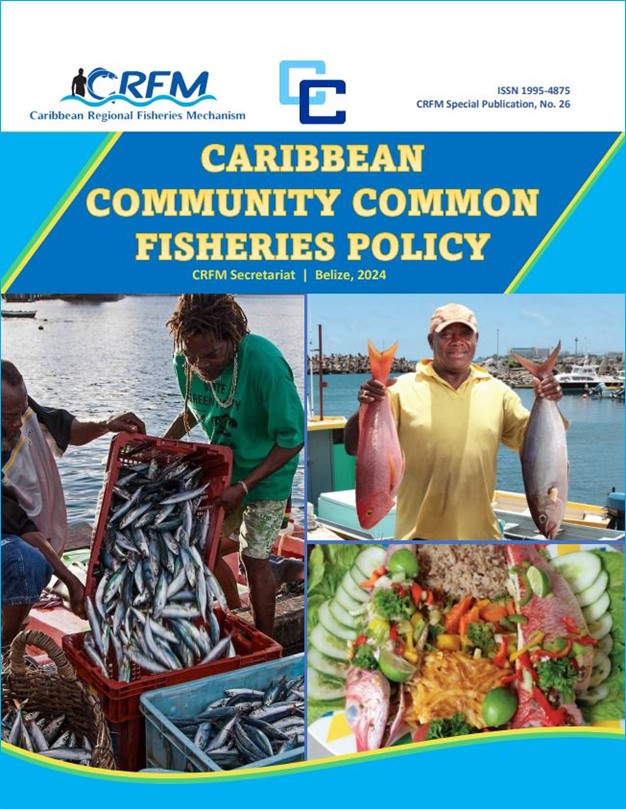
- The Protocol on Securing Sustainable Small-Scale Fisheries as the First Protocol under the Caribbean Community Common Fisheries Policy;
- The Protocol on Climate Change and Disaster Risk Management in Fisheries and Aquaculture under the Caribbean Community Common Fisheries Policy with the changes proposed by the Council;
- The Protocol on Aquatic Foods as a Strategic Resource for Food and Nutrition Security under the Caribbean Community Common Fisheries Policy; and
- The Protocol under the Caribbean Community Common Fisheries Policy on the Principle of Sustainable Use of Marine Living Resources for Blue Economic Growth and Sustainable Development of CRFM Member States.
At its meeting in April 2024, the Council urged all organs of the CRFM and its Member States to continue their collective efforts, in collaboration with regional and international development partners, to advance the implementation of the CCCFP, as well as the development of any and all additional protocols necessary to attain its stated vision and purpose.
To access the document, click here.
Charting a Course Towards Sustainable and Resilient Prosperity in Fisheries and Aquaculture

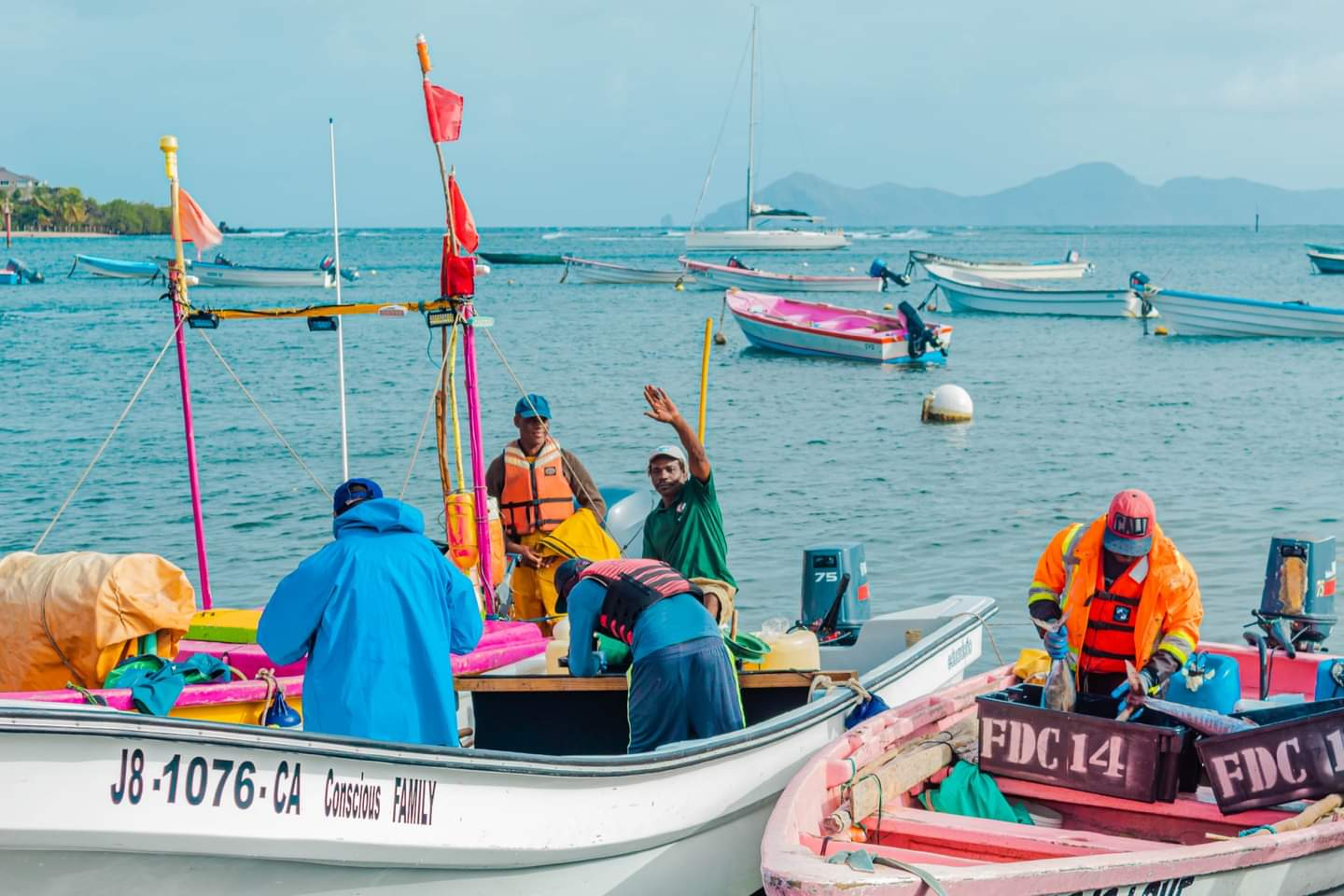
Resilient prosperity in the region’s small-scale fisheries is vital to securing the livelihoods of fishers who depend on this sector. (Photo courtesy: Communication Unit - Ministry of Agriculture, Forestry, Fisheries, Rural Transformation, Industry and Labour (MAFFRTIL), Saint Vincent and the Grenadines)
Hurricane Beryl’s impacts on Grenada, Saint Vincent and the Grenadines, Jamaica, and Barbados underscore the need for urgent attention to retooling and protecting this vital sector
Hurricane Beryl—which broke record as the earliest major hurricane on record to form in the Atlantic—woke the region up to a stark reality: In the current environment created by acelerated climate change, strong hurricanes can rapidly form very early in the season, displacing entire communities and devastating the livelihoods of thousands in the blink of a hurricane’s eye. Beryl struck the Caribbean islands of Grenada, Saint Vincent and the Grenadines, Jamaica, Barbados, Saint Lucia, and Trinidad and Tobago, over a span of a few days at the start of July, and the fisheries and aquaculture sector was not spared from its furious winds, torrential rains, and erratic storm surges.
This catastrophe unfolded about a month after people from across the world converged on the Caribbean island of Antigua and Barbuda for the 4th International Conference on Small Island Developing States (SIDS), under the theme: Charting the Course Toward Resilient Prosperity. On the sidelines of this event, the Caribbean Regional Fisheries Mechanism (CRFM) convened two seminars on key topics which are most relevant to the present realities confronting the fisheries and aquaculture sector, looking holistically on how we can chart a progressive way forward for the sector and our countries. This dialogue is even more relevant today.
The seminars were convened by the CRFM Secretariat and co-hosted by the CRFM and the Government of Antigua and Barbuda, with support from the CARICOM Secretariat, the National Fisheries Authority of Jamaica, and Green Initiative. They discussed: (1) Revitalizing SIDS Economies & Food and Nutrition Security through the Sustainable Use of our Living Marine Resources; and (2) Accelerating the Decarbonization of Fisheries in the Caribbean - from science-based targets to climate mitigation finance.
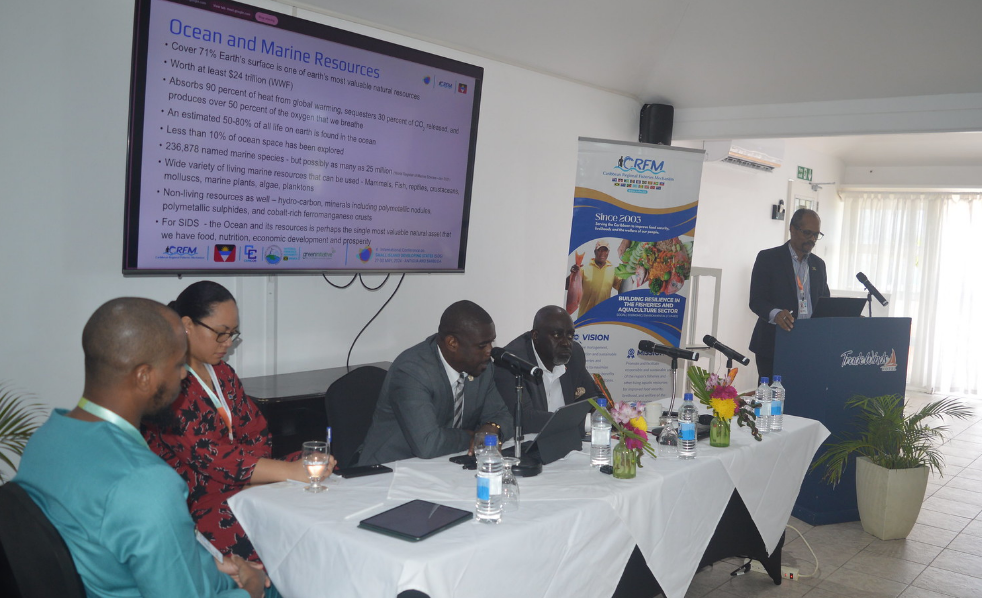
CRFM Executive Director, Milton Haughton (at the podium), addressing attendees at the CRFM’s Sustainable Use seminar on the vital importance of ocean and marine resources, worth at least US$24 trillion, according to World Wildlife Fund (WWF) estimates
In addressing the gathering on Sustainable Use, Hon. Samal Duggins, Minister of Agriculture, Fisheries and Marine Resources, Cooperatives, Entrepreneurship and Creative Economy, Saint Kitts and Nevis, said that, “The development of our mariculture industry offers a viable solution to improve the sustainability of our fisheries. By cultivating marine organisms in their natural habitats, we can boost local fish production, reduce import dependence, and provide fresh, nutritious seafood, as well as sustainable livelihoods for our coastal communities.”
“There is no reason why we cannot be self-sufficient in seafood (and fish) production through aquaculture and through utilizing and diversifying our marine fisheries,” said CRFM Executive Director, Milton Haughton, later in the dialogue.
In addressing the second session on climate change, Haughton said that with the increased frequency of storms and hurricanes, the Caribbean needs to build the sector’s resilience by investing in the restoration of protective marine habitats such as mangroves and coral reefs, enhancing fisheries management and biodiversity conservation. He noted several key initiatives being implemented by the CRFM with support from donors and partners, to strengthen resilience. These include carbon footprint assessments for the sector.
“We must play our part in contributing towards the decarbonization of fisheries and aquaculture in our region and moving from science-based targets to climate mitigation action,” Minister Duggins said in his welcoming attendees to the climate change session.
The Minister furthermore highlighted the critical need for financing, to empower the sector with the resources needed to retool itself and to implement the critical mitigation and adaptation measures needed in this post-COVID era.
Access to funds—whether grants or soft loans—can enable fishers to upgrade their equipment, adopt sustainable practices, and increase their productivity, the Minister said, pointing to some ‘low-hanging fruit,’ such as the adoption of cleaner burning engines and increasing reliance on renewable energy options, such as geothermal and solar power.
Frédéric Perron-Welch, Head of Climate and Nature Policy, Green Initiative, agreed on the need to transition to clean energy solutions, using more efficient engines and renewable energy. In his presentation on the carbon footprint assessment of National Fishermen Cooperative Society Limited in Belize, which was commissioned by the CRFM, he focused on the lobster value chain and found that the greenhouse gas (GHG) indicator for carbon dioxide emissions was relatively low. However, transportation and energy were the main areas of concern where he said interventions could be made to further reduce greenhouse gas emissions.
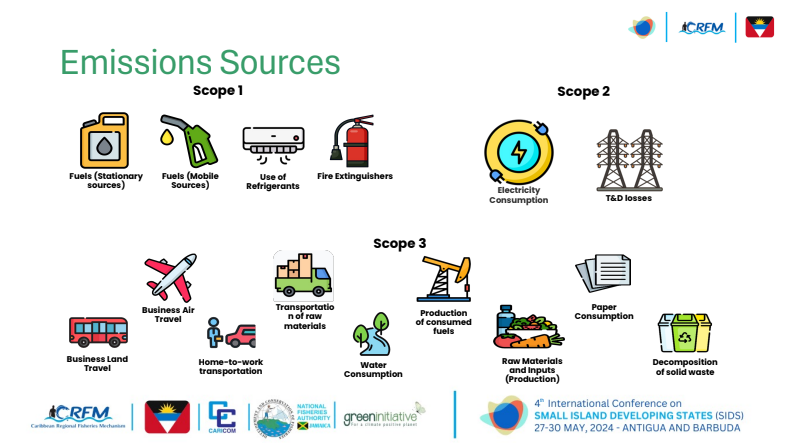
Slide showing emission sources for lobster value chain in carbon footprint assessment of National Fishermen Cooperative Society Limited, Belize, commissioned by the CRFM
“Financing sustainable fisheries management, upgrading infrastructure to withstand climate impacts and deploying advanced innovative technologies, including renewable energy and risk-informed early warning systems are now urgent priorities,” said Cristelle Pratt, Assistant Secretary-General, Environment & Climate Action, Organisation of African, Caribbean and Pacific States (OACPS), in her presentation during the session on climate change.
She added that: “The conundrum we find ourselves in, is that if SIDS have to foot much of the bill to adapt to and mitigate against climate change, they worsen the ocean of debt they are wallowing in now, and which may, in fact, sink SIDS before rising sea levels—another problem they did not cause.”
She expressed concern that financing is inadequate and not easy for SIDS (particularly those in the Africa, Caribbean, and Pacific regions) to access. The OACPS has estimated that SIDS require USD 28.7 billion annually (until 2030) to implement their nationally determined contributions (NDCs) to fight climate change. However, she noted that the NDCs provide an opportunity to secure the requisite resources to build resilient societies and economies. The 79 ACP States, 39 of which are SIDS, have stewardship over 30% of the world’s oceans, Pratt noted.
The landscape of financing options, she said, covers national public finance, blue bonds, grants, and funds from multilateral development banks. She also pointed to support mechanisms such as the World Bank’s ProBlue and EU Blue Sustainable Ocean Strategy and Blue-Action initiative.
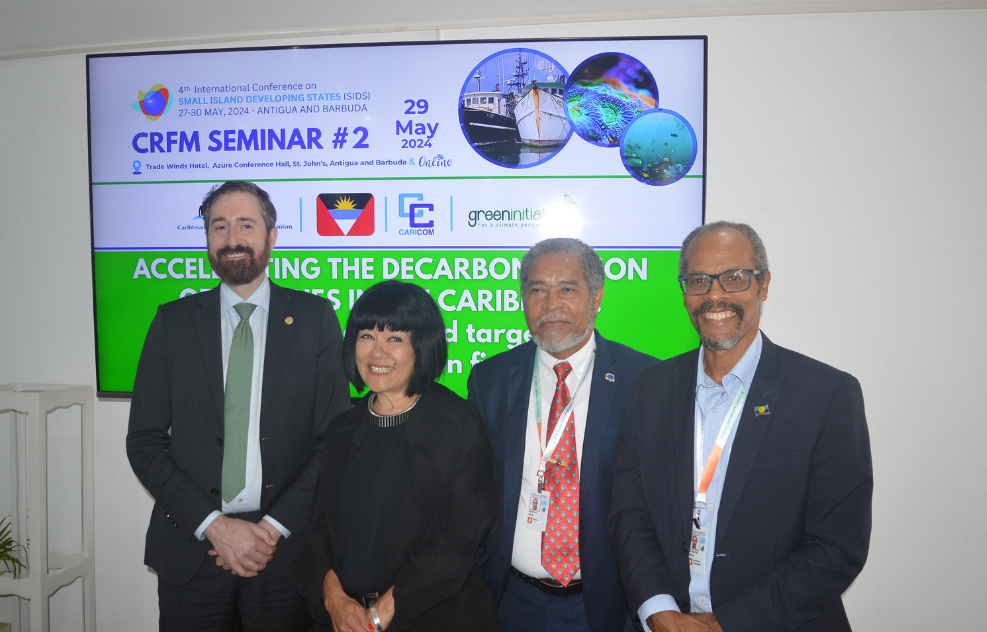
Frédéric Perron-Welch (Green Initiative), Cristelle Pratt (OACPS), Keith Nichols (CCCCC), and Milton Haughton (CRFM) - appearing left to right
Keith E. Nichols, Head, Special Projects, Caribbean Community Climate Change Centre (CCCCC), said that every risk presents an opportunity. As for the risks associated with climate change, Caribbean countries can use the NDC Partnership as a key opportunity to secure the resources needed to build resilient societies and communities. Nichols said that achieving science-based targets means that we have to do what we can, adding that the transition is for our economic benefit.
The partners agreed that genuine and inclusive engagement of stakeholders—especially including the marginalized—underpins the success of future efforts to unite in addressing climate change.
“The fisheries sector maintains food security even after hurricanes or other adverse weather disasters,” said Ambassador H.E. Daven Joseph, Office of the Prime Minister, Antigua and Barbuda. He emphasized the need for development finance to mitigate the effects of climate change and risk insurance for fishers.
Ambassador Joseph asserted that the time has come to look at climate resilience financing through property rights innovative schemes, adding that those now taking over the coastal zone and resources should compensate those who they are replacing and who have been relying on these resources for their livelihoods.

Speaking from the floor, a fisher of Antigua and Barbuda stressed the need for adequate investment and financing so that fishers would be equipped with the requisite resources, including larger, safer and and better boats and equipment, to access the largely untapped deep sea resources.
Dr. Salome Taufa, Resource Economist and Team Leader Fisheries at the Pacific Islands Forum Secretariat, observed that limited capacity to sustainably develop the sector, as well as challenges related to illegal, unreported, and unregulated fishing and overexploitation, are common issues confronting SIDS.
She shared two important initiatives used by the Pacific region: (i) the Hubs and Spokes Project to upscale the sector by using resource-rich, lesser developed locations as suppliers, and more developed locations as hubs for production, trade, and export; and (ii) the establishment of a regional fisheries development fund, which could help to defray the revenue losses expected to occur due to adverse climate change impacts.
She also spoke of the need to change mindsets to expand economic opportunities and improve wealth distribution, and the need to strike a balance between development and environmental protection.
Dr. Gavin Bellamy, Chief Executive Officer, National Fisheries Authority, Jamaica, said: “How fisheries authorities in the region can address food and nutrition security is with a holistic approach in looking at all facets of the industry from both regulations, and laws and compliance, as well as research and development, to support fishers and to help develop the industry in a sustainable manner.”
Kareem Sabir, Senior Project Officer - Sustainable Development, CARICOM Secretariat, noted the efforts being made under CARICOM’s Vision 25 by 2025 initiative–aimed at reducing the region’s food import bill by 25% by 2025, including imports of fish and other marine products. He informed of plans to develop a CARICOM policy document on ocean management. Additionally, he pointed to the need for a common framework for understanding what is in our oceans, as well as to understand the associated uses and conflicts in a meaningful way, to avoid repeating the mistakes of the past.
“The issue of property rights for fishers is something that must come back to the table and be given serious consideration by governments, because that is the only way you can have sustainable livelihoods and proper planning and development in the industry,” Ambassador Joseph reiterated.
G. Andre Kong, Jamaican fisheries expert, who previously headed Jamaica’s Fisheries Division (now the National Fisheries Authority) said that property rights can be ascribed to users of aquatic resources. He agreed that the right of tenure and right of access to resources are key to ensuring sustainable development of the sector.
Milton Haughton, CRFM Executive Director, highlighted the need to pursue actions aimed at spreading the risks associated with disasters and climate change, with a focus on livelihood diversification, risk insurance, planning and preparedness, and the empowerment of local communities to enhance resilience. He underscored the importance of ensuring that each local community has the resources, knowledge and systems required to harden coastal infrastructure, as well as to establish safe areas of refuge during the passage of severe weather systems.
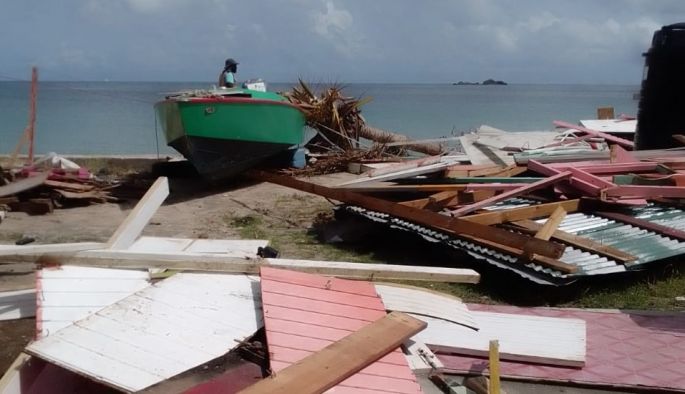
In surveying the situation in the aftermath of Hurricane Beryl, the CRFM Secretariat noted the devastation caused to the island community of Carriacou, Grenada, which took a major hit from the hurricane. (Photo courtesy June Masters, CRFM Secretariat)
Apart from retooling the sector and enabling fishers to transition to more climate-smart and resilient fishing vessels and gear technology, including underwater fish aggregating devices (or FADs), the Fisheries and Aquaculture sector needs better infrastructure, including safer harbors, jetties, piers, and other infrastructure—a need that must be borne in mind as the Caribbean jurisdictions affected by Hurricane Beryl rebuild their affected sectors and communities in the months and years ahead.
Request for Expressions of Interest (EOI) for Consultancy to Draft a National Maritime Economic Plan: Implementation Plan for the Fisheries and Aquaculture Sector of Guyana

CONSULTANCY TO DRAFT THE MARITIME ECONOMIC PLAN: IMPLEMENTATION PLAN FOR THE FISHERIES AND AQUACULTURE SECTOR IN GUYANA
DATE:
25 June 2024
TITLE:
CONSULTANCY TO DRAFT THE MARITIME ECONOMIC PLAN: IMPLEMENTATION PLAN FOR THE FISHERIES AND AQUACULTURE SECTOR IN GUYANA
CATEGORY:
Consultancy
PROJECT/ORGANIZATION:
CRFM
DEADLINE:
Closed
CALL FOR EOI:
CLICK HERE
TERMS OF REFERENCE:
CLICK HERE
STATUS:
Open

CRFM Ministerial Council’s 18th Meeting addresses climate resilience, fisheries crimes, and Caribbean Blue Economy

 Belize City, Friday, 26 April 2024 (CRFM)—Ministers responsible for Fisheries, Aquaculture, and the Blue Economy from Member States of the Caribbean Regional Fisheries Mechanism (CRFM) deliberated today, Friday, 26 April, at the 18th Regular Meeting of the Ministerial Council of the CRFM on the priority actions needed to advance sustainable development of the fisheries and aquaculture sectors, while addressing critical matters such as evidence-based decision-making; climate resilience, including insurance for fishers; illegal unreported, and unregulated fishing; Sargassum seaweed; bolstering regional and global trade; capacity building and knowledge management; and growing the Caribbean blue economy.
Senator the Honourable Avinash Singh, Minister in the Ministry of Agriculture, Land and Fisheries, Trinidad and Tobago, Outgoing Chair of the CRFM Ministerial Council, handed over the chairmanship to Honourable Josephine Olivia Connolly, Minister of Tourism, Environment, Fisheries and Marine Affairs, Culture and Heritage, Agriculture and Religious Affairs, The Turks and Caicos Islands.
During today’s proceedings, the Ministers approved 32 resolutions providing policy direction and guidance on a wide range of matters such as the updated CARICOM Common Fisheries Policy; training of personnel; improving sanitary and phytosanitary systems for seafood safety and trade; the development of safe products made from Sargassum for use in the agriculture sector; empowering small-scale fishers; collaboration with regional and international development partners; and the assessment and management of various fish species, including pelagic species, shrimp and groundfish, dolphinfish, and flyingfish. The resolutions also addressed the CRFM’s request to the Food and Agricultural Organization (FAO) for the RV Dr. Fridtjof Nansen to conduct a comprehensive, independent marine resource survey in CARICOM; combating illegal, unreported and unregulated fishing and fisheries crimes; the World Trade Organization Fisheries Subsidies Agreement; engagement between the CRFM Member States and the National Oceanic and Atmospheric Administration (NOAA of the USA), regarding recovery of queen conch stocks; and the development of international legally binding instruments on plastic pollution.
The Council also deliberated upon the latest developments with respect to the decision by US authorities to list the Queen Conch as a threatened species under its Endangered Species Act, which has implications for trade. The Council, therefore, provided direction to CRFM Member States for ensuring a coordinated and collaborative approach across the region to the ongoing engagement on the rules and measures that the US authorities would impose to address the conservation, management, and recovery of the species.
The Ministers also provided guidance on several CRFM projects, including the New Zealand-funded Sargassum Products for Climate Resilience Project, being implemented by the CRFM in partnership with the New Zealand Institute of Plant and Food Research, to support valorization and use of Sargassum seaweed; the CAF / FAO / CRFM / GEF Caribbean Blue Economy Project entitled: Promoting National Blue Economy Priorities through Marine Spatial Planning in the Caribbean Large Marine Ecosystem Plus (BE-CLME+ Project), as well as other new initiatives for strengthening climate resilience in the Fisheries sector of CRFM Member States and strategically positioning small-scale fisheries and aquaculture within the Caribbean blue economy landscape.
Another important item on the Ministerial Council’s agenda was improving data collection on Fisheries through strengthening data collection and management systems in CRFM Member States and promoting aquaculture development.
The Executive Director of the CRFM, Milton Haughton, said, “The ocean space and marine resources constitute the most valuable natural resources available to our countries, and we need to continue to accelerate actions to both protect and realize the full potential of these valuable resources, recognizing that pollution, habitat destruction, climate change, and irresponsible fishing pose significant threats to the health and productivity of our oceans and benefits they provide to our economies.” He also expressed satisfaction with the ongoing positive developments in the region in building capacity, strengthening collaboration and partnerships, mobilizing resources, and implementing policy reforms to achieve sustainable development and conservation of the marine resources.
In his opening remarks to the Council, Minister Singh reflected upon the CRFM’s achievements during the past year: “Significant strides have been made. We hosted critical meetings, including the 17th Regular and the 13th Special Meetings of the Ministerial Council, during which we adopted 39 resolutions [and 2 special resolutions intersessionally] aimed at enhancing the management and sustainability of our marine resources. This past year also saw the implementation of 31 capacity-building events, the participation of over 2,300 stakeholders, and the completion of several strategic assessments and surveys that are critical for informed decision-making.”
He added that, “The fisheries and aquaculture sector remains a cornerstone of economic stability and food security in our region, employing hundreds of thousands and contributing significantly to our national GDPs. Our recent data show a promising increase in both production and employment within the sector, reinforcing the importance of our continued focus and investment.”
The latest information compiled by the CRFM Secretariat on the status and trends across Member States indicates that the ex-vessel value of marine capture fisheries production was 527 million US dollars during 2022, as well as 47 million US dollars in value from both inland aquaculture and mariculture, accounting for a total production value of 574 million US dollars.
Fisheries and aquaculture employ roughly 6% of the labor force in CRFM Member States and contribute up to 3% to national GDPs, with an estimated 550,000 workers benefiting through their active participation, including 138,000 employed in direct production and the others engaged in the supply of goods and services. Notably, the estimated growth in employment for the fisheries and aquaculture sector during 2022 was about 3%.
The Council also approved the CRFM’s Whistleblower Policy 2024, and the new biennial work plan and budget for the 2024-2025, intended to promote further growth and sustainable development of the fisheries and aquaculture sector across the Caribbean.
Caribbean Fisheries Forum concludes deliberations on fisheries and aquaculture
Belize City, Friday, 8 March 2024 (CRFM)—Several Member States of the Caribbean Regional Fisheries Mechanism (CRFM), as well as representatives of regional and international observer organizations, including the Caribbean Network of Fisherfolk Organisations (CNFO) and the Food and Agriculture Organization of the United Nations (FAO), met from Wednesday, 6 March to Friday, 8 March 2024, to deliberate on developments in fisheries and aquaculture. The CRFM convened this 22nd Regular Meeting of the Caribbean Fisheries Forum to receive technical inputs from national fisheries authorities across the Caribbean, as well as key stakeholders and partners, in addressing the priorities of the sector.
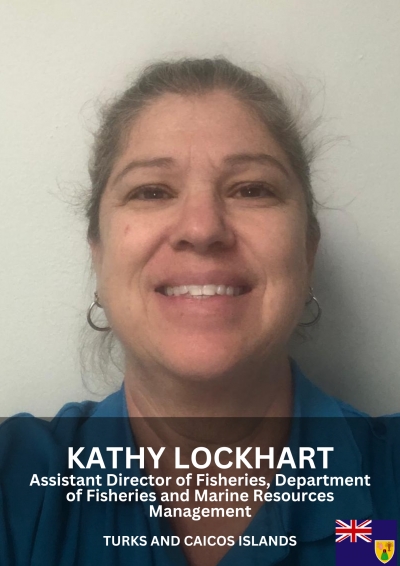
The Forum also held elections for a new chair and vice chair, as well as members of the Executive Committee of the Forum and the Resource Mobilization Sub-committee. Trinidad and Tobago, which served as chair of the Forum for the past year, handed over the leadership to the Turks and Caicos Islands. After the elections, Kathy Lockhart, Assistant Director of Fisheries, Department of Fisheries and Marine Resources Management, Turks and Caicos Islands, assumed the Chair, succeeding Louanna Martin, Acting Director of Fisheries, Fisheries Division, Trinidad and Tobago.

In welcoming attendees to the Forum Meeting, Martin highlighted the value of the CRFM, an intergovernmental institution of the Caribbean Community (CARICOM), to Trinidad and Tobago, one of its 17 Member States. She said that the CRFM has been very instrumental in helping to address the myriad issues that confront the fisheries and aquaculture sector.
During the opening session, Milton Haughton, Executive Director at the CRFM Secretariat, noted that the Caribbean Fisheries Forum was meeting against the backdrop of myriad challenges as well as opportunities for harnessing the benefits of blue economic growth.
“Notwithstanding the various global crises—the wars in Ukraine and the Middle East—and the challenging economic situation in many of our countries, we have to continue to work hard to strengthen our economies and to provide new opportunities for growth, especially for the youth, which is very important for our future prosperity,” Haughton said.
He added that this prosperous future lies in utilizing the Caribbean’s aquatic resources and in developing the aquaculture potential—both on land and in the marine environment.
Haughton noted that although the CRFM has made significant strides in working with Caribbean countries over the past 21 years, there is still much more work to be done. He informed the Caribbean Fisheries Forum that the Government of Canada had recently approved CD$4.2 million in funding for the CRFM, for the Sustainable Technologies for Adaptation and Resilience in Fisheries (STAR-Fish) Project, which aims to advance the clean energy transition in the Caribbean fisheries and aquaculture sectors. He also highlighted the recent commencement of a US$48 million project being part-financed by the Global Environment Facility (GEF) titled, Promoting National Blue Economy Priorities Through Marine Spatial Planning in the Caribbean Large Marine Ecosystem Plus ("BE-CLME+”), which aims to promote blue economy development through marine spatial planning and marine protected areas, an ecosystem approach to fisheries, and sustainable seafood value chains.
The Executive Director of the CRFM briefed the Forum on ongoing initiatives, such as the Strengthening Sustainable Use and Management of Coastal Fisheries Resources in CARICOM Countries (COASTFISH) Project, being implemented with funding from the Government of Japan, and the Sargassum Products for Climate Resilience Project, being funded by the Government of New Zealand.
He also updated the Forum on the work being done in partnership with the Caribbean Agricultural Research and Development Institute (CARDI) and the University of the West Indies (UWI), to commence pilot scale production of a liquid fertilizer from Sargassum, as well as plans to ensure total and safe utilization of the resource by converting the by-products to other sustainable products.
Haughton also updated the Forum on the World Trade Organization (WTO) subsidies negotiations held last week, in Abu Dhabi, and he advised the Forum that the agreement was not finalized because significant differences remained among the countries. He advised the Member States of the critical need to pay keen attention to such international processes and to ensure that the Caribbean’s interests are defended and fully addressed, given the potential implications for the fisheries of Caribbean countries and the region.
The Forum’s deliberations, which are vital for forging the way forward for the sustainable development of the Caribbean’s aquatic resources, precede the upcoming 18th Regular Meeting of the CRFM Ministerial Council, comprised of Ministers responsible for fisheries from its 17 Caribbean Member States.
—Ends—
Regional Scientific Conference of over 100 Caribbean and international experts in Fisheries and Aquaculture opens Monday

Belize City, Sunday, 27 August 2023 (CRFM)—The Caribbean Regional Fisheries Mechanism (CRFM) will host a regional Scientific Conference of 130 authors and speakers from the Caribbean and internationally, who will present on 9 thematic areas of high interest to the fisheries and aquaculture sector. The virtual event, which is free and open to the public, is scheduled to commence on Monday, 28 August at 8:30 a.m. Central Standard Time or 10:30 a.m. Eastern Caribbean Time.
Dr. Carla Barnett, Secretary-General, CARICOM Secretariat, will deliver opening remarks, while Dr. Renata Clarke, Sub-Regional Coordinator for the Caribbean, Food and Agriculture Organization of the United Nations, will present the Feature Address. Other Opening Ceremony speakers include Sen. Hon. Avinash Singh, Chair of the Ministerial Council of the CRFM and Minister in the Ministry of Agriculture, Land and Fisheries, Trinidad and Tobago; Ms. Shandira Ankiah, Acting Director of Fisheries, Fisheries Division, Trinidad and Tobago and Chair of the Caribbean Fisheries Forum; Mr. Milton Haughton, Executive Director, CRFM Secretariat; and Dr. Sandra Grant, Deputy Executive Director, CRFM Secretariat. Mr. Zojindra Arjune, Pastor and Deputy Director, Fisheries Management, Suriname, will offer the invocation.


The goal of this e-conference is to showcase the collective work done over the past two decades, since the establishment of the CRFM by CARICOM Heads of Government in 2002, while providing a space for networking, information exchange, and dialogue on a range of important topics. The thematic areas are fisheries and food security in the region; legal, policy and institutional frameworks for fisheries; data and science for sustainable fisheries development and management; capacity building in fisheries; aquaculture and marine science; fisheries conservation and management; climate change, ocean acidification, disaster risk management and recovery in fisheries and aquaculture; international and regional cooperation and partnerships; and the future of the CRFM in blue economic growth in the region.
The Scientific Conference will run for 4 days, and the final session on Thursday, 31 August, will feature national reports from the 17 CRFM Member States of the CRFM on the Status of their fisheries and aquaculture industries.
The CRFM is an intergovernmental organization of the Caribbean Community (CARICOM) whose Member States are Anguilla, Antigua and Barbuda, The Bahamas, Barbados, Belize, Dominica, Grenada, Guyana, Haiti, Jamaica, Montserrat, St. Kitts and Nevis, St. Lucia, St. Vincent and the Grenadines, Suriname, Trinidad and Tobago and the Turks and Caicos Islands.
For more information on the conference, please access the Conference webpage here.
Download the News Release in Word or PDF format.